
Sustainability at the Smithsonian's National Zoo and Conservation Biology Institute
Sustainability is woven into the National Zoo and Conservation Biology Institute (NZCBI)’s mission to save species and protect the ecosystems they depend on. Recognizing that the health of wildlife is inseparable from the health of the planet, sustainability guides how staff care for animals, manage habitats, design facilities, and engage visitors every day.
The NZCBI Sustainability Committee, established in 2010, brings together staff from across departments and both campuses (the National Zoo in Washington, D.C., and the Smithsonian Conservation Biology Institute in Front Royal, Virginia). The committee coordinates initiatives, tracks progress, and supports colleagues in adopting sustainable practices in their daily work. Through long-term planning, data tracking, and cross-department collaboration, staff ensure sustainability remains integrated in both operations and decision-making.
NZCBI Green Achievements
Since 2011, staff across NZCBI have tracked and reported sustainability efforts across energy, water, materials, buildings, land management, engagement, and innovation. These initiatives reflect sustained investment in renewable energy, efficient infrastructure, responsible purchasing, habitat restoration, and public engagement.
Together, these efforts demonstrate how staff reduce environmental impacts while strengthening resilience, supporting animal care and conservation science, and integrating sustainability into visitor experiences.
Energy & Emissions
Staff across both campuses work to reduce NZCBI’s carbon footprint through renewable energy generation, building efficiency upgrades, and modernized systems.
Here are few of our recent achievements:
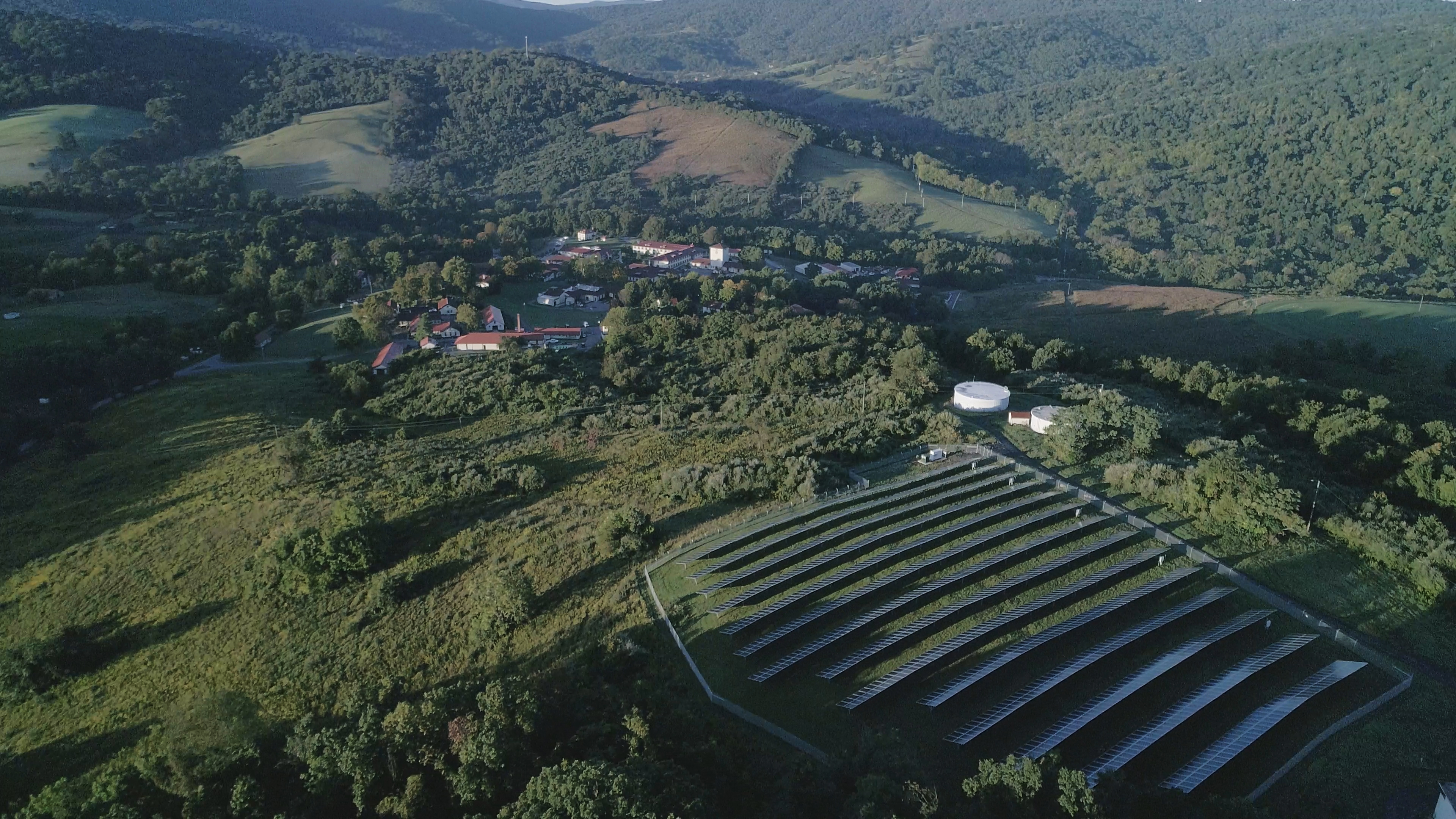
- Facilities and animal care teams support solar installations at several exhibits across the Zoo’s campus, while staff at the Front Royal campus maintain a 625-kilowatt solar array that generates hundreds of thousands of kilowatt-hours annually (check out the live dashboard).
- Electricians, engineers, and maintenance staff have completed thousands of LED retrofits, geothermal systems, Variable Frequency Drives (VFDs), and high-efficiency HVAC equipment upgrades to reduce energy use and emissions.
- Maintenance, animal care, and facilities teams continue transitioning fleet vehicles and equipment upgrades to lower-emissions options that support staff as they carry out daily operations.
Water Management
From exhibit care to landscape management, staff conserve water through real-time tracking, efficient fixtures, and green infrastructure.
- Facilities teams track water use through a network of submeters, enabling rapid leak detection and targeted conservation in high-use areas.
- Horticulture and grounds staff maintain green roofs, pervious paving, rain gardens, and bioretention basins that reduce stormwater runoff and protect Rock Creek.
- Animal care and life support teams operate advanced recirculation and filtration systems at animal exhibits — such as the seal and sea lion pools — to reduce overall water demand.
- Renovation teams installed water-efficient faucets and toilets across both campuses.
Material Life Cycle Impacts
Staff work to reduce waste at every stage, from procurement through reuse and end-of-life.
- The Sustainability Committee created a sustainable purchasing guide to help staff select environmentally responsible products.
- Retail and concessions staff collaborate to eliminate single-use plastics and transition to reusable, recyclable, or compostable alternatives
- Animal care, facilities, and grounds teams divert waste through food composting, reuse of wood for habitat enrichment, textile recycling, metal recycling, and the installation of solar-powered, wildlife-proof Big Belly waste and recycling stations.
Construction & Building Management
Facilities, planning, and design staff prioritize sustainability in every renovation and construction project. NZCBI has earned eight certifications through Leadership in Energy and Environmental Design (LEED), the world’s leading green building rating system.
- The LEED Gold Bird House renovation retained more than 80% of its historic structure, with project teams focusing on reducing construction waste and carbon impact. Sustainable building practices include high-recycled-content materials, energy-efficient systems, bird-safe window glazing, and wildlife-friendly lighting.
- Construction and facilities staff emphasize material reuse and high diversion rates, and building management systems that reduce long-term energy and water use.
Habitat & Natural Area Management
Both campuses function as living laboratories where staff steward native habitats.
- At Front Royal, staff restore grasslands, plant thousands of native trees —including American chestnut seedlings — and manage riparian areas through invasive species removal, water-quality monitoring, and wildlife camera studies.
- At Rock Creek, animal care and grounds teams reuse natural materials such as browse, wood chips, and perching branches throughout exhibits to support animal enrichment and habitat enhancement.
- Horticulture staff maintain green roofs, native plantings, and pollinator-supportive landscapes that strengthen biodiversity.
Engagement & Awareness
Staff foster a culture of sustainability through staff programs, visitor education, and community partnerships.
- Staff use digital Green Guides, participate in sustainability initiatives, and support resource conservation efforts.
- Visitors learn about sustainable choices through signage, self-guided green tours, and special exhibitions.
Did you know?
- The National Zoo offers dozens of public water refill stations to encourage reusable bottles.
- Bike racks are available throughout the Zoo to support low-carbon transportation.
- Retail teams source conservation-oriented products, including Bird-Friendly ® coffee and sustainable souvenirs.
Innovation
Innovation plays a critical role in advancing NZCBI’s sustainability leadership.
- Animal care and engineering teams operate advanced filtration systems at the Seal and Sea Lion exhibit to reduce energy and material consumption by recirculating water more efficiently.
- Facilities and animal teams collaborated on Bird House climate systems that mimic natural migratory conditions while minimizing energy demand.
- Grounds and horticulture staff implement Integrated Pest Management practices that dramatically reduce chemical use across landscapes.
- Retail and sustainability teams source Bird-Friendly® coffee and chocolates that support global migratory bird conservation.
- Solar-powered Big Belly waste stations demonstrate wildlife-safe waste management with modern, efficient technology.
NZCBI Sustainability Vision
At NZCBI, we believe sustainability is inseparable from conservation — protecting wildlife means protecting the planet they call home. Guided by our sustainability principles, we integrate responsible practices into every aspect of our operations, from resource conservation to habitat stewardship. Through innovation, education, and collaboration, we lead by example, inspiring our staff, visitors, and partners to take meaningful action toward a thriving, resilient future for all species and ecosystems.
NZCBI Sustainability Guiding Principles
Seven core principles guide how staff plan, track, and evaluate sustainability efforts across NZCBI. These principles ensure that both day-to-day operations and long-term investments support wildlife conservation, protect natural resources, and foster a culture of environmental responsibility.
Our seven sustainability guiding principles are:
- Energy & Emissions – Reduce energy use and greenhouse gas emissions through efficiency, renewable energy, and operational improvements.
- Water Management – Conserve potable water, improve stormwater management, and protect waterways on and around NZCBI campuses.
- Material Life Cycle Impacts – Make responsible purchasing decisions, reduce waste, and transition away from single-use plastics.
- Construction & Building Management – Design, operate, and maintain eco-friendly facilities that reduce environmental impact and support wildlife.
- Habitat & Natural Area Management – Restore and steward native landscapes to support biodiversity and healthy ecosystems.
- Engagement & Awareness – Inspire staff, visitors, and partners to participate in sustainable practices and conservation action.
- Innovation – Pilot and advance new solutions that strengthen sustainability in zoo and conservation settings.